
Professor
University Leuven/KU Leuven
Leuven, Belgium
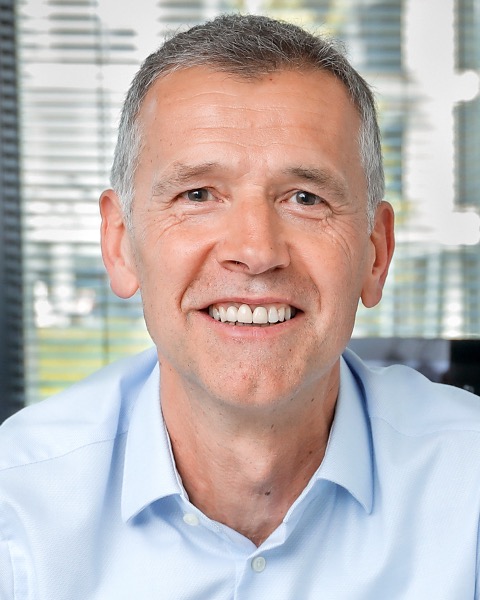
Hugo Vankelecom, Prof. dr. (PhD Pharm), Full professor (ORCID: 0000-0002-2251-7284), Dept. Development and Regeneration, KU Leuven (Belgium)
Prof. Dr. Hugo Vankelecom leads a team of 15-20 people (PhD, postdoc, Master, technician). He is a leading expert in organ 3D organoid modeling. Vankelecom’s research is situated in women’s health (endocrine-reproductive biology and disease). The group established multiple organoid protocols and is creating tissue and organoid biobanks covering a broad spectrum of diseases. The Vankelecom group pioneered the development of organoids from the womb’s lining (endometrium) and endometrial diseases including endometriosis, as well as from ovary tissue (cancer) and pituitary gland (mouse), all powerful tools to decipher the (patho-)biology of these essential female endocrine-reproductive organs. In addition, the team advanced the endometrial organoid tool into an innovative in vitro embryo implantation model. All these organoid models provide powerful preclinical tools for disease modeling and its mechanistic decoding, diagnostic and therapeutic discovery, drug screening and regenerative medicine, as well as for (repro-)toxicity testing (given the availability of the healthy control counterpart organoids). The models are readily compatible with microphysiological systems (MPS) (or organ(oids)-on-chip), enabling the study of dynamic cell and organ crosstalk. This platform not only facilitates deeper insights into organ physiology and disease mechanisms but also serves as a springboard for therapeutic and diagnostic innovation. Vankelecom created the interdisciplinary ‘organoid@KUL’ platform, a vibrant ecosystem of 3D organ modeling research and expertise bringing together all interested KU/UZ Leuven (and beyond) research groups. The Vankelecom Lab is particularly committed to addressing high unmet medical needs in women’s health, focusing on conditions that are underrepresented in current research and treatment pipelines (such as endometriosis). Translational potential is actively pursued through strategic industry collaborations and spin-off initiatives, such as GynQura, a BioInnovation Institute (BII)-funded bioincubation project (through the NovoNordisk Foundation) based in Copenhagen.
Disclosure information not submitted.
SY41-03 - Organoid Models of the Pituitary Gland in Health and Disease
Monday, June 15, 2026
11:30 AM - 12:00 PM CT